CIQ Blog: What's New in Enterprise Linux & AI Infrastructure
We're a team of scientists, Linux geeks, technologists, pilots, designers and more with a mission to make infrastructure something you never have to think about.
One flag took Gemma 4 from 52% to 100% on a Strix Halo
Reasoning off took Gemma 4 from 52% to 100% on short tasks at one-eighth the cost. Plus a prompt change worth 41 points, and models that ignore both

From Samba to post-quantum cryptography: Jeremy Allison’s open source journey
Meet CIQ Distinguished Engineer Jeremy Allison and explore his journey from Samba to FIPS compliance, open source security, and post-quantum cryptography.
Patch PHP2Shell now and prepare for the next AI-found CVE
Six months ago, I wrote that vulnerabilities were going to come in waves. I undersold it. In April and May, Copy Fail, Dirty Frag, Fragnesia and CIFSwitch hit the Linux kernel. Researchers have kept…
Diagnose failed jobs and re-prioritize queued work in place with Fuzzball
Fuzzball names the failed rank in multi-node jobs, re-prioritizes queued work in place, and puts compute policy grants and deletion in the CLI.
Get more AI speed from your DGX Spark with RLC Pro AI
See how RLC Pro AI did on three Spark Arena tests on a NVIDIA DGX Spark, then set up the same host and rerun every test yourself, step by step.

What a correct answer costs on a Strix Halo depends on how hard the question is
I measured 27 local LLMs on a Strix Halo with a power meter. The cheapest model for easy questions costs 37x more once questions get hard.
Tenable Nessus scans now reflect the CVE fixes CIQ delivers to RLC Pro
New Tenable plugins read CIQ advisories, so Nessus scans of RLC Pro hosts reflect the CVE fixes CIQ delivers, including on LTS releases
Monthly newsletter
No spam. Just the latest releases and tips, interesting articles, and exclusive interviews in your inbox every month.
Read about our privacy policy.
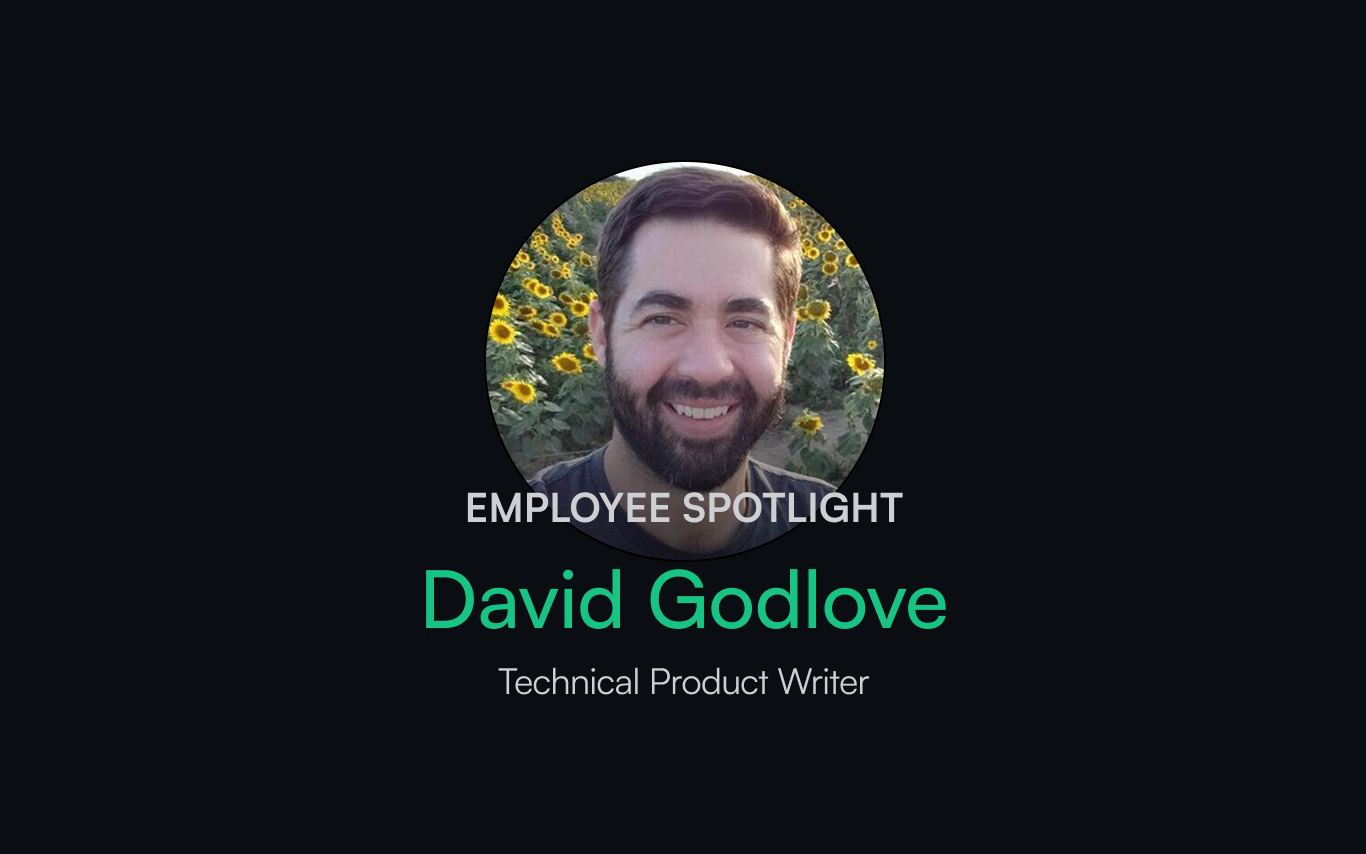
Removing roadblocks to discovery: David Godlove’s path from neuroscience to Fuzzball
Meet David Godlove and see how his path through neuroscience, NIH HPC, and Singularity/Apptainer helps CIQ make Fuzzball more accessible to researchers.

Who actually decides what lands on your Linux servers
Frontier Linux moves fast. Legacy Enterprise Linux moves on the vendor's schedule. Enterprise Linux Manager gives the decision back to your team.
Fuzzball v4.3: your GPUs serve a model in one command
One command serves a Hugging Face model from a replica pool on your own GPUs. 11 validated presets, autoscaled endpoints, persistent local volumes.
SingularityCE reaches end of life. Apptainer carries on
Sylabs ends SingularityCE, SingularityPRO, and Singularity Enterprise on October 25, 2026. Apptainer, formerly Singularity, carries on.